NOTTING HILL WALK. (1) FROM NOTTING HILL GATE to CLARENDON CROSS & CLARENDON ROAD

https://www.agenteprovocador.es/publicaciones/centro-iberico


Walk from Holland Park Avenue to Kensington Palace or Design Museum
On the South side of Notting Hill Gate, CAMPDEN HILL (KENSINGTON)
Conservation Area
THE HILLGATE VILLAGE
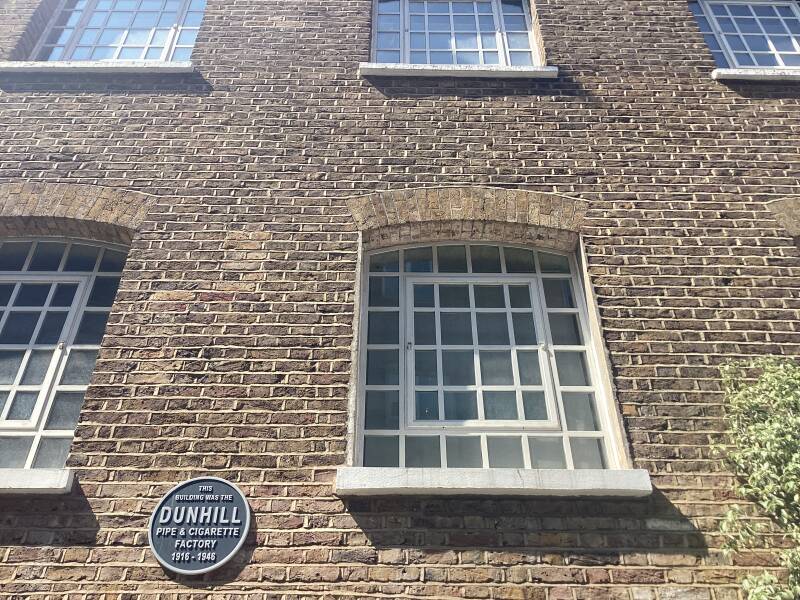
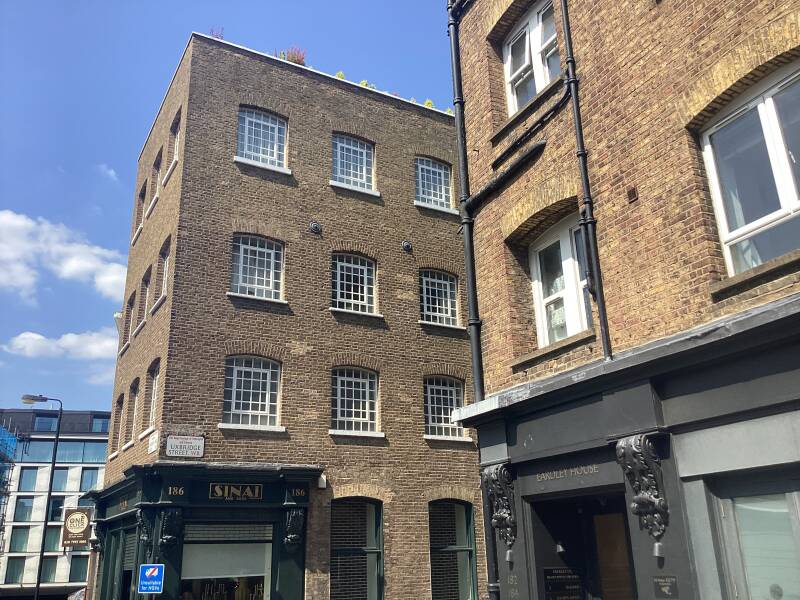
Former DUNHILL FACTORY
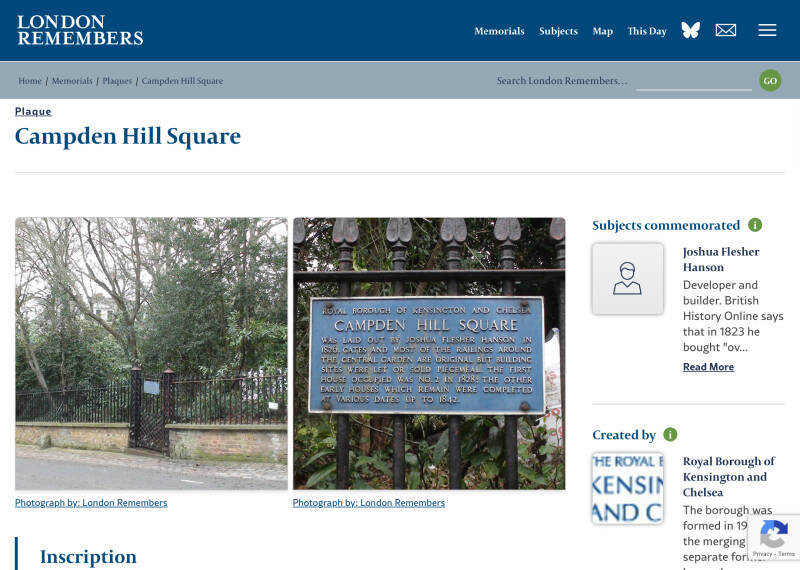
Campden Hill Square
No.2 ”MOUSE CASTLE”
The home of Mrs. Hilda Brackenbury at 2 Campden Hill Square, Kensington, London, became known as "Mouse Castle" because it served as a safe house for suffragettes, particularly those released from prison under the "Cat and Mouse Act" to recover from hunger strike
Aubrey Road and Aubrey WALK
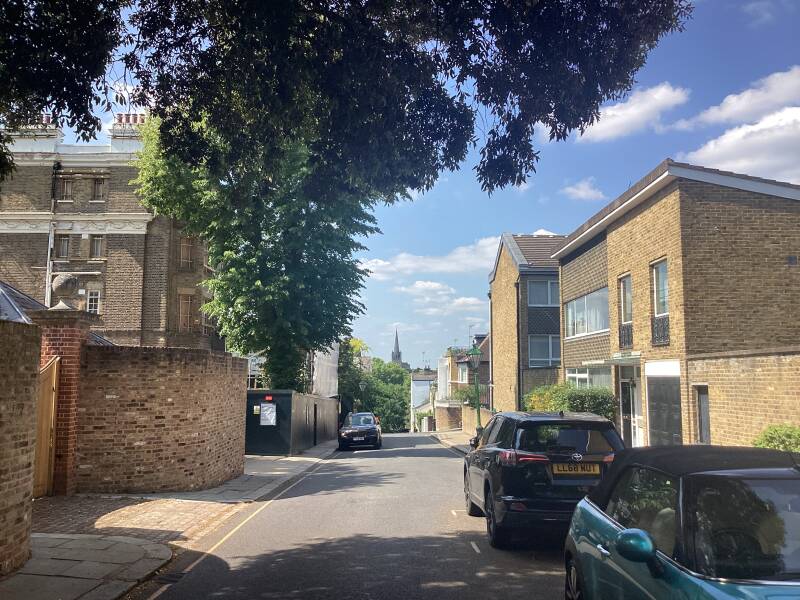
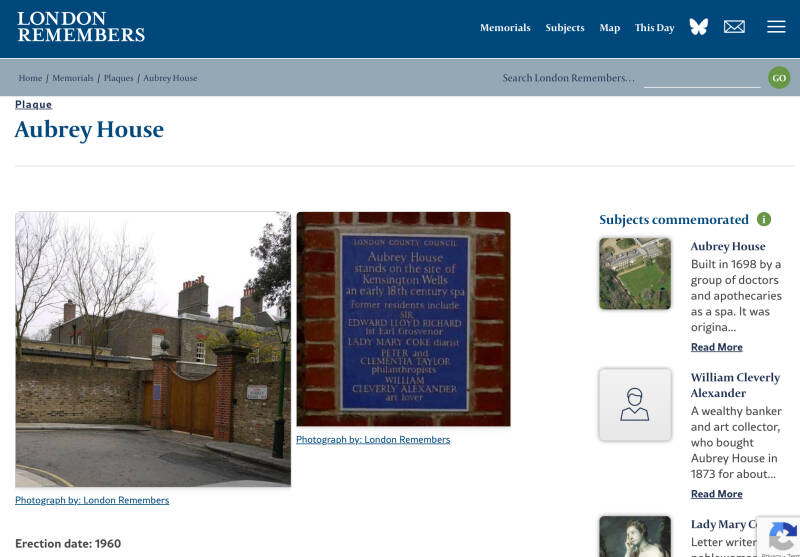
Aubrey Walk West to East
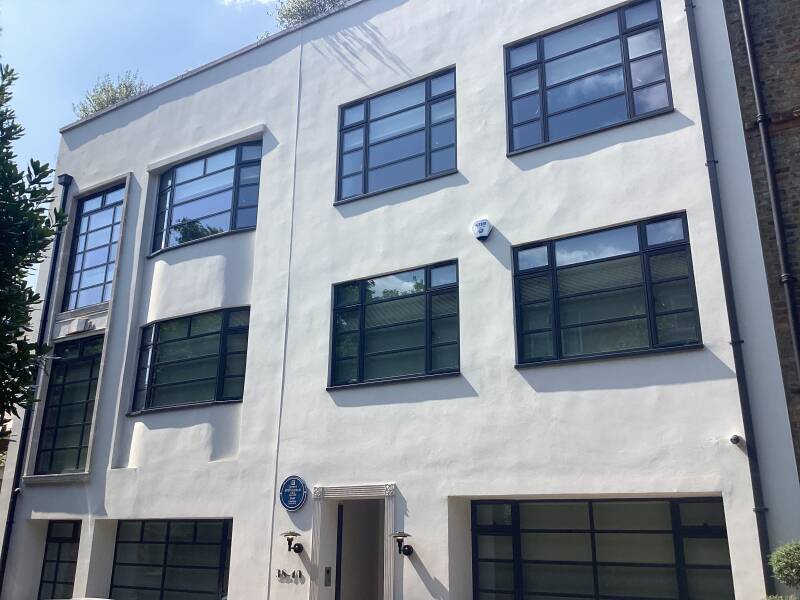
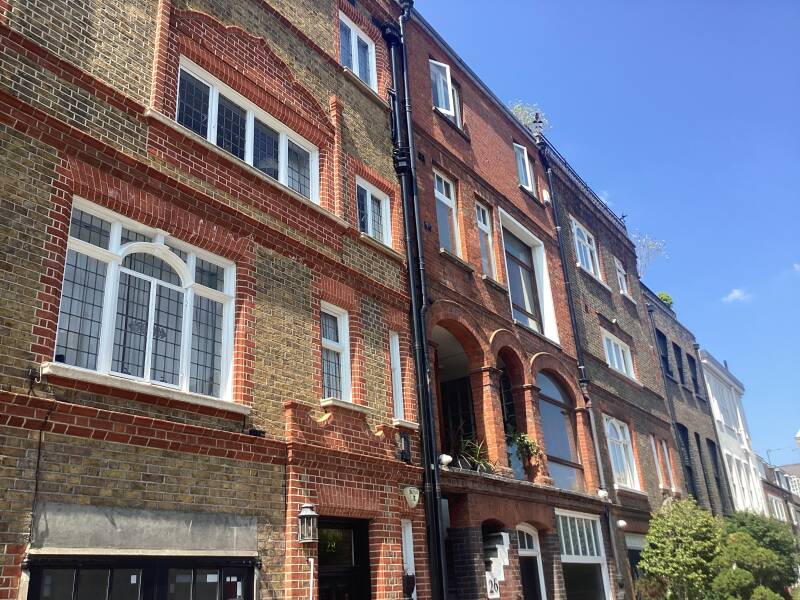
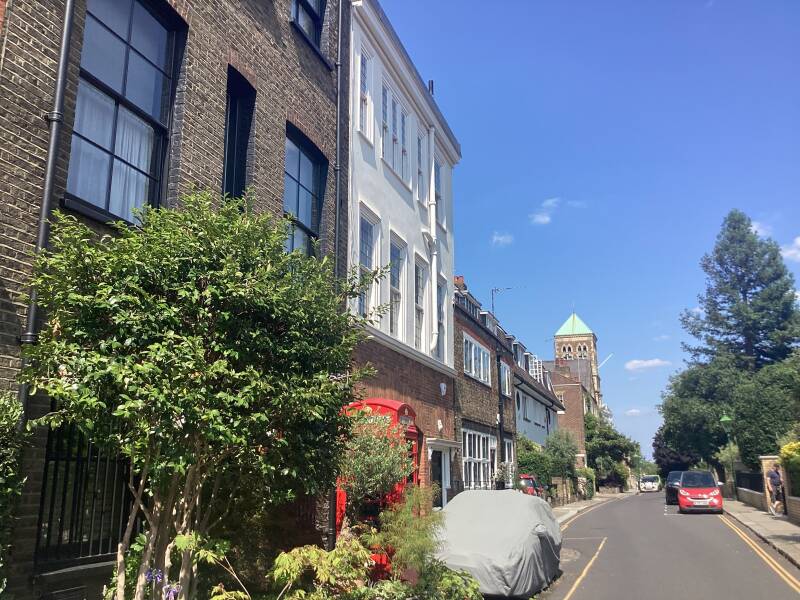

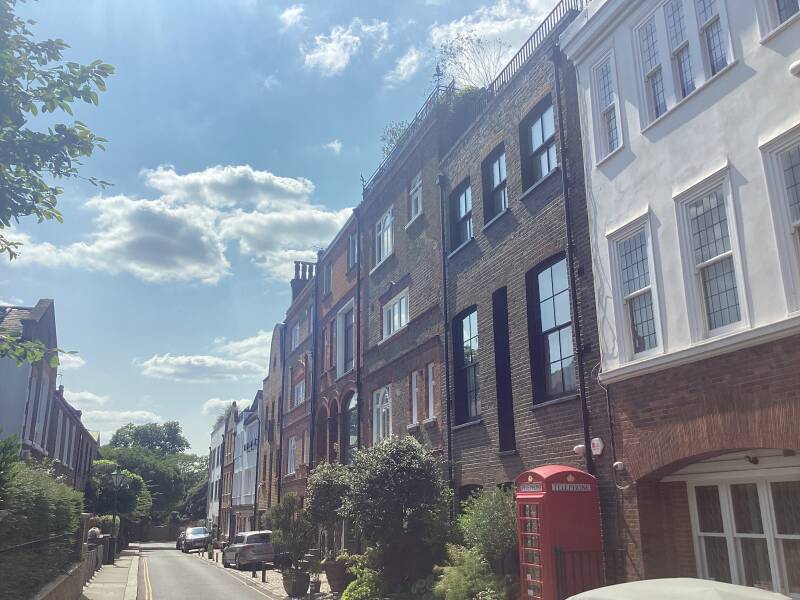
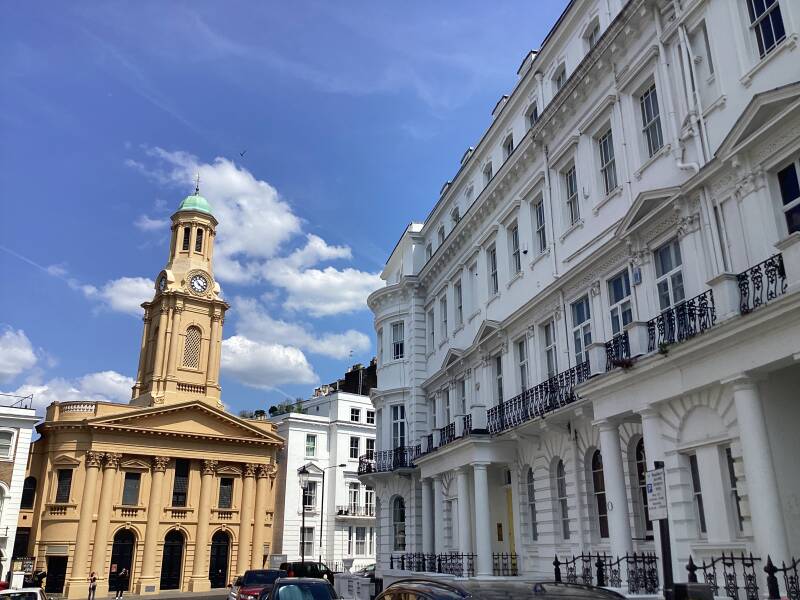
ST.GEORGE’S Church
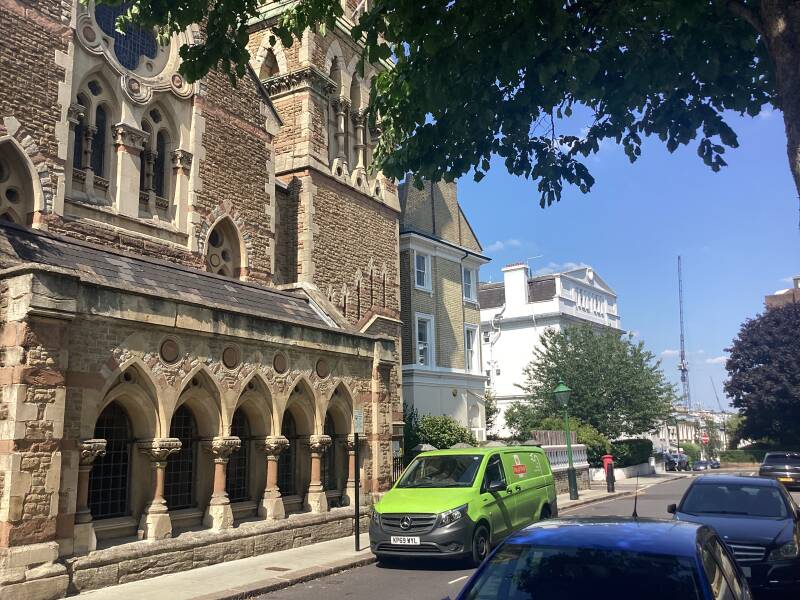
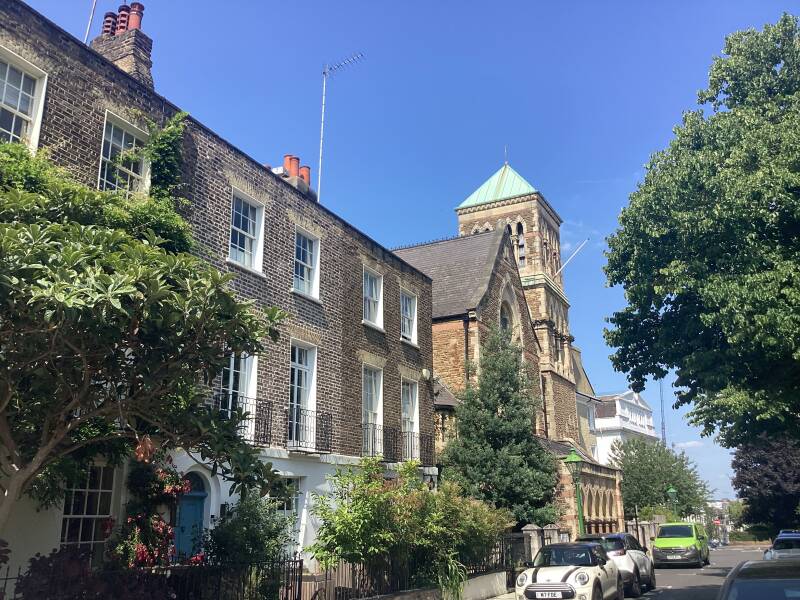
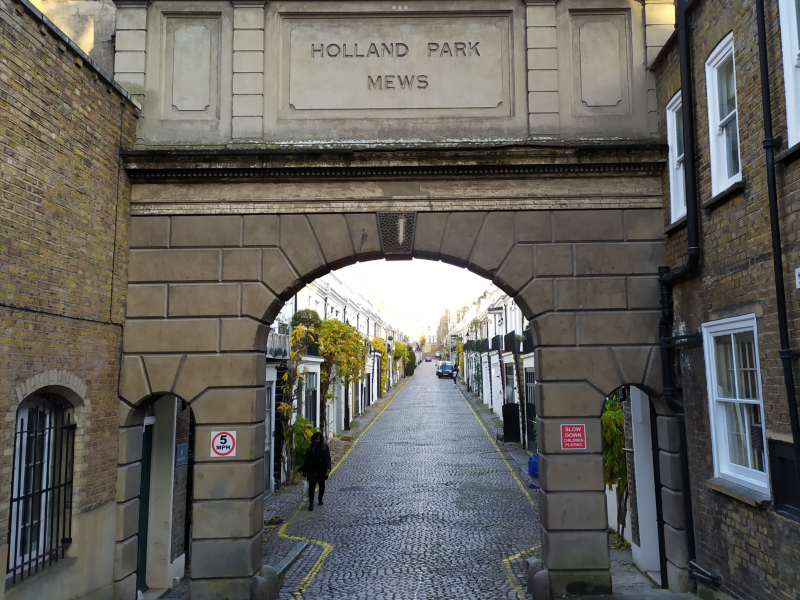
HOLLAND PARK
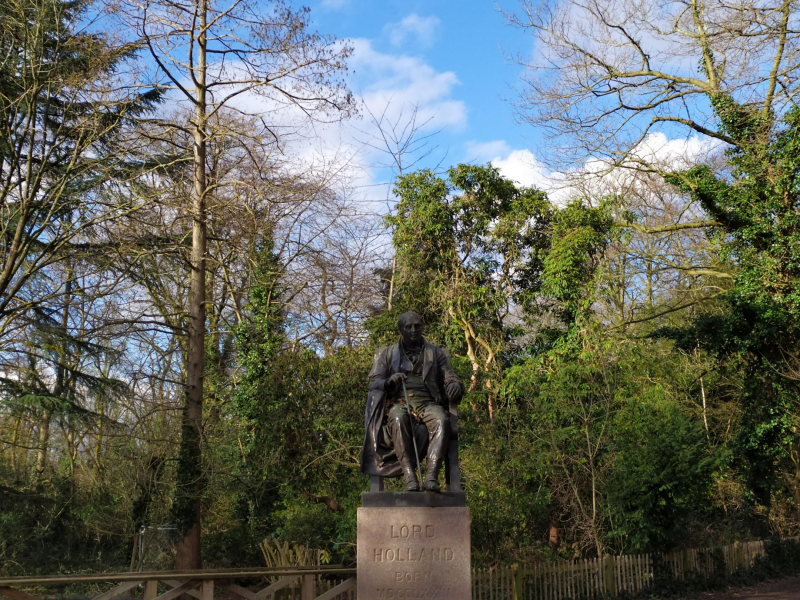
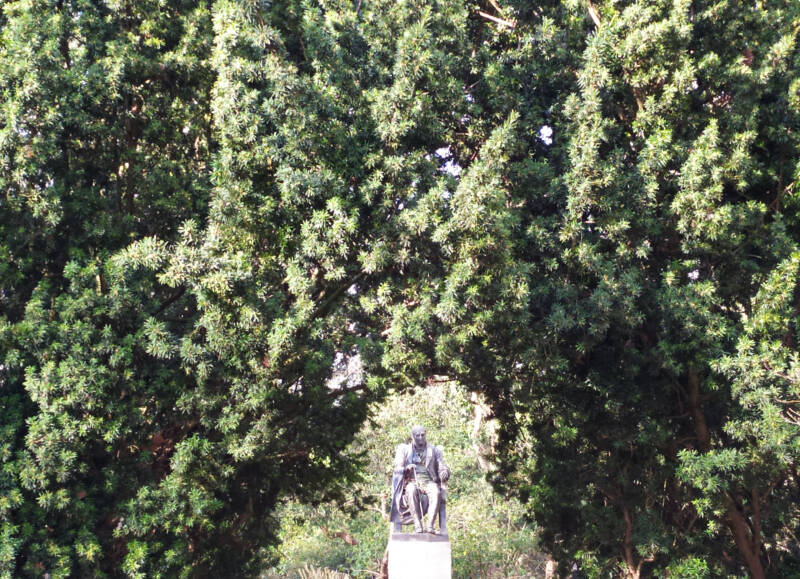
Remains of Jacobean HOLLAND HOUSE
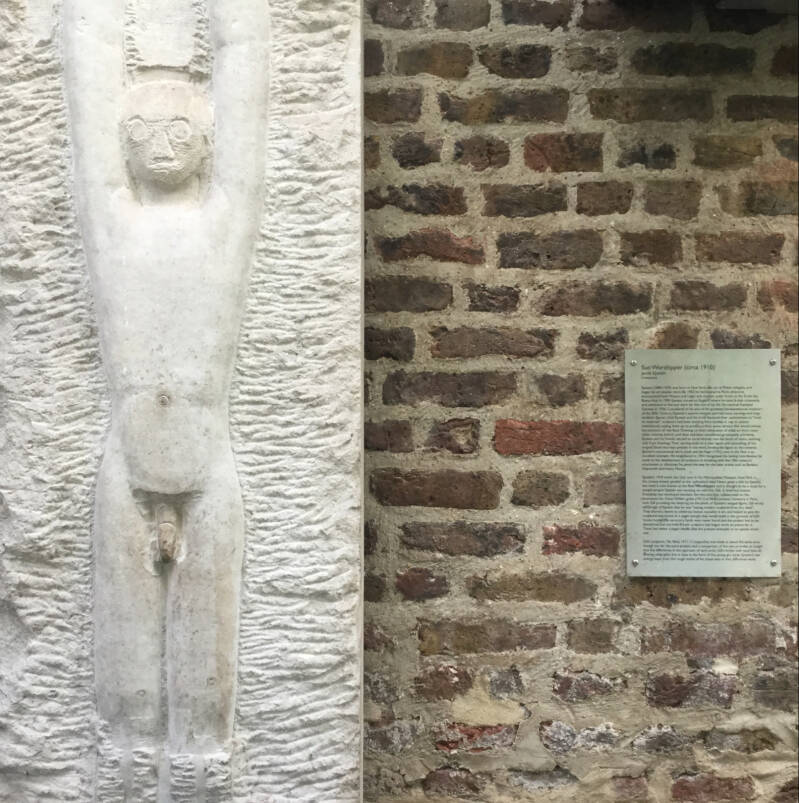
DESIGN MUSEUM


Lansdowne Rise
THE LADBROKE ESTATE
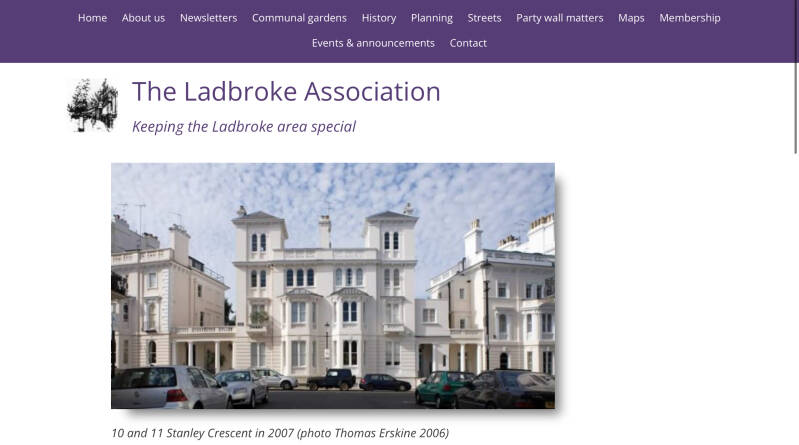
1820. JAMES WELLER LADBROKE. . Until then entirely rural. The heavy clay soil was destined to became bricks!
Both the main designers of the estate, Thomas Allason (1790-1852) and Thomas Allom (1804-1872) were well-known landscape artists as well as architects. Allason, commissioned by the Ladbroke family to begin the layout here in 1823, worked with the famous J B Papworth at Cheltenham. It was the fashionable air of Cheltenham’s Lansdowne and Montpelier estates that the designers hoped to bring to this dangerous building venture beside the Piggeries and Potteries of north-west London. JAMES THOMSON, PAP. pupil.
STOP GAP DEVELOPMENT. In the event it took nearly fifty years to find buyers for all the houses, and the succession of grinding halts brought ruin to the main developers. But Allason’s and Allom’s design evolved unscathed. Indeed, the ruin of successive developers only added variety to the layout. This remained true to the spirit of rus in urbe which had inspired Wood’s Bath, Nash’s Regent’s Park and Papworth’s Cheltenham. There were classical groves alternating with tiers of leafy crescents, stucco villas alternating with plain brick terraces.
Detached villas, semi-detached. Terraced descending the hill side, in a series of sweeping cresc.
Early restrained design. Florid ITALIANATE style, later
DESTINED FOR.. Middle classes. Professionals and army officers. Servants could only enter the gardens accompanying a member of the family.
But in 1861, signs that things were not going well: some houses divided. Others, converted into schools.
No takers for the houses closer to the POTTERIES. Unoccupied houses. LADBROKE GARDENS called COFFIN ROW. 1870s.
Some speculators lost a lot of money (DR.SAMUEL WALKER). Houses unfinished and in ruinous conditions.
The route follows Lansdowne Crescent. Explore yourself other roads!
Blenheim Crescent
Rows of pretty coloured houses backing onto communal gardens.
Elgin Crescent
79. OSBERT LANCASTER, artist
95, KATHERINE MANSFIELD, writer
60. JAWARHARLAL NEHRU, first PM of India
86. LAWRENCE OLIVIER, actor & director
Lansdowne Rd.
HOWARD STAUNTON, chess champion lived here
91
NOTTING HILL FL?
Rosemead Road
ROSMEAD GARDEN
MONTPELLIER GARDEN. 1977
LANSDOWNE COURT. GLASS BRIDGE
Lansdown Crescent
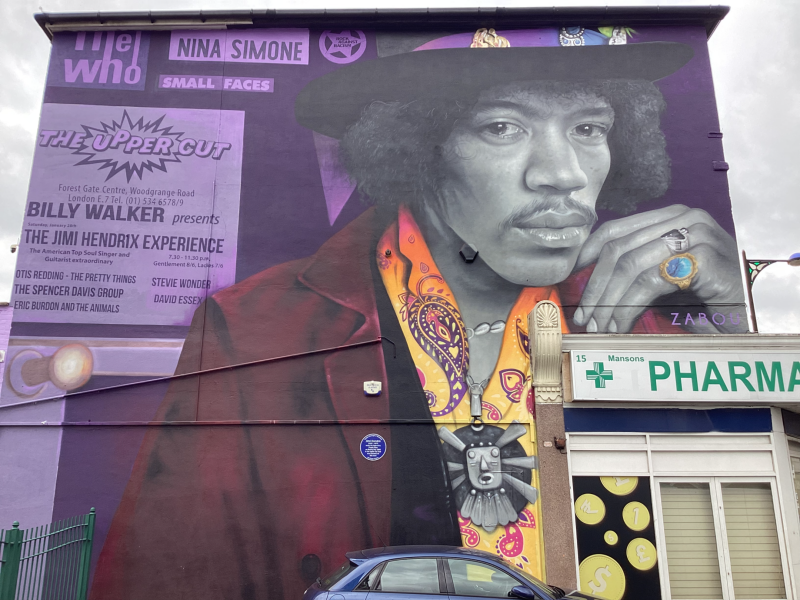
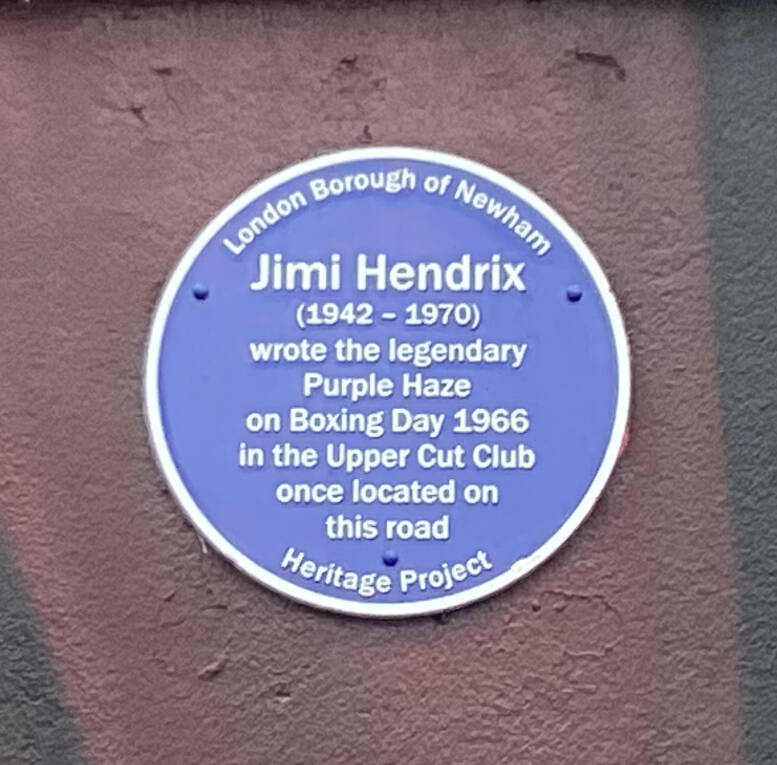
SAMARKAND HOTEL. 1970. JIMI HENDRIX. His last hours…
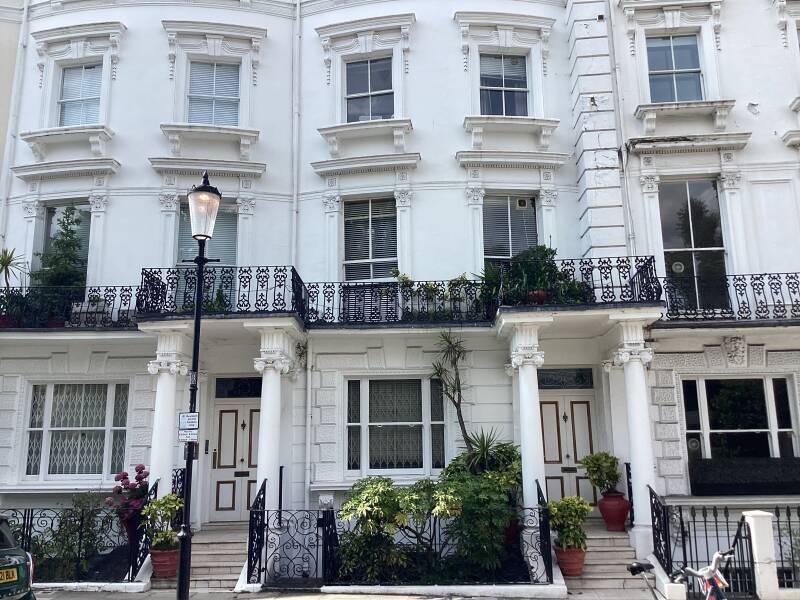
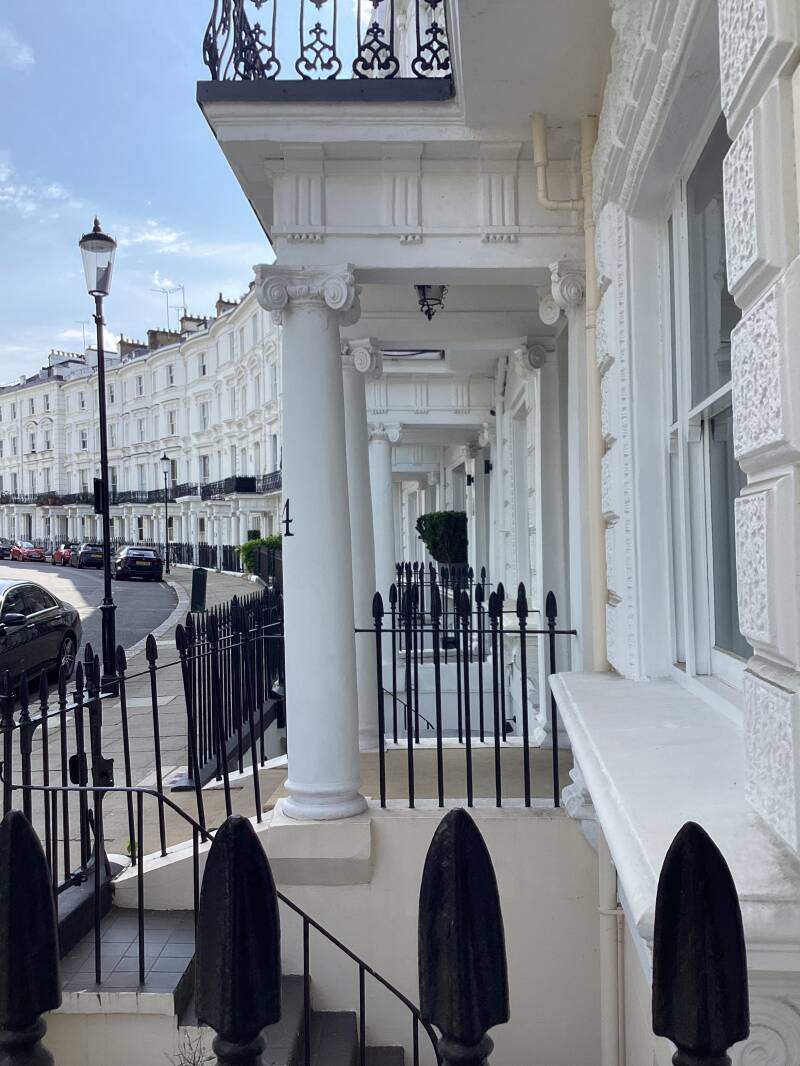
CUMBERLAND HOTEL. Oxford St.
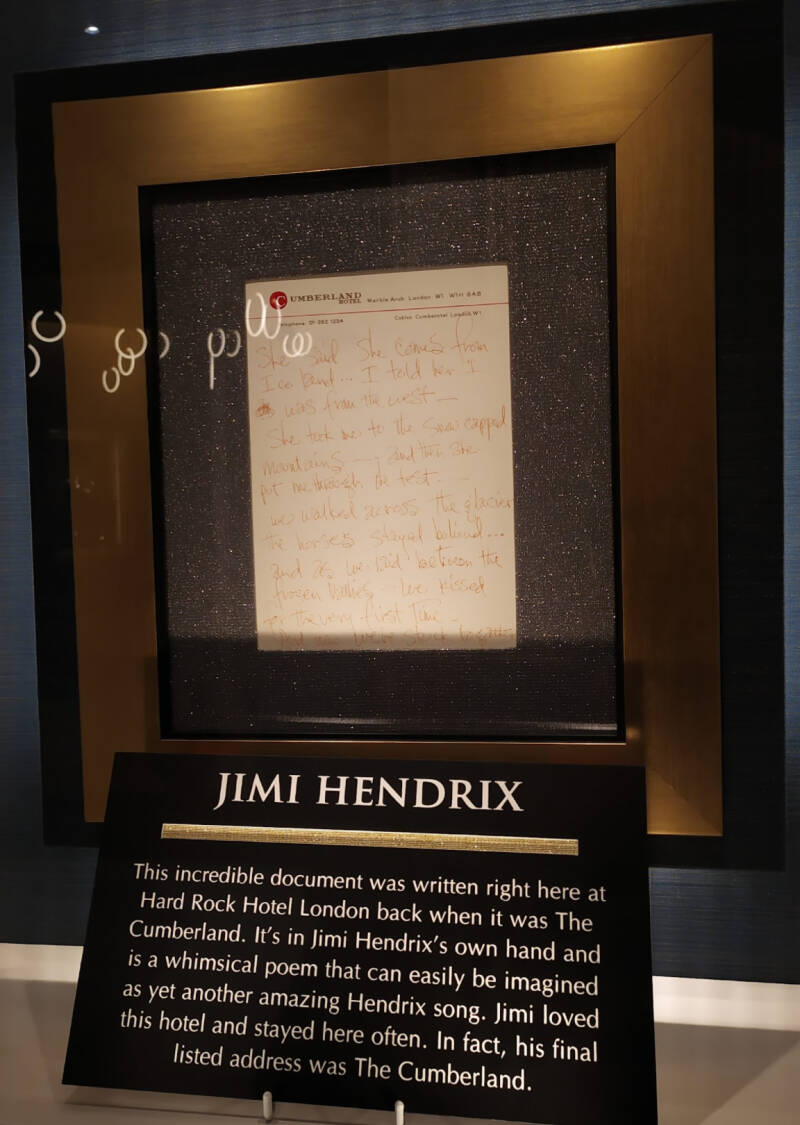
Last days. Smoking flat. From flat to flat, from club to club. His last gig was in RONNIE SCOTT’S. Goes to KENSINGTON MARKET, where FREDDIE MERCURY was a stall holder, returns to his girlfriend’s room. Last time he was seen, in ROY STEWARD’s GLOBE BAR (103 TALBOT ROAD) and/or the MANGROVE.
Here, at the basement of the SAMARKAND HOTEL, after taking barbiturates and sleeping pills… police is called, then ambulance, taken, still alive , to ST.MARY ABBOT’s HOSPITAL
IRMA KURTZ
3 of the era’s leading revolutionaries were sheltered in her house: HANS WERNER HENZE DANI COHN-BENDIT and RUDI DUTSCHKE
The short route takes you along Ladbroke Gardens, Stanley Crescent, and Stanley Gardens
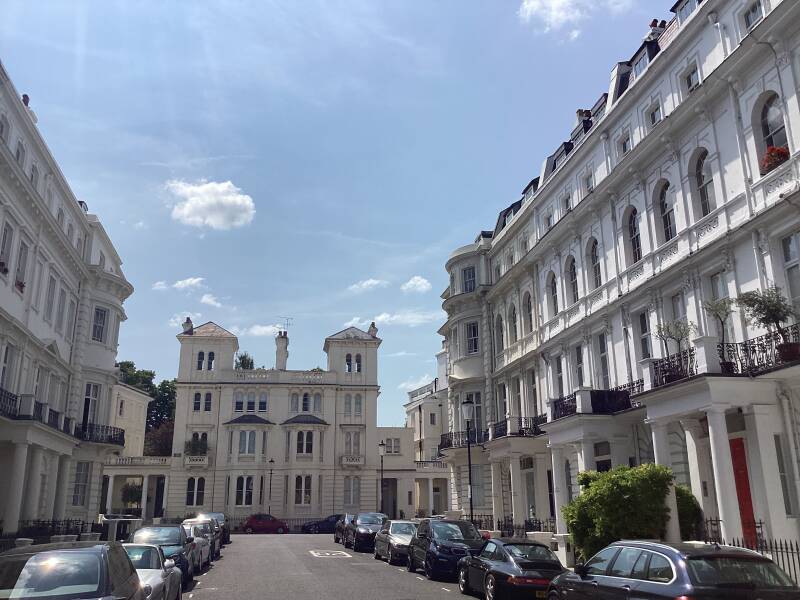
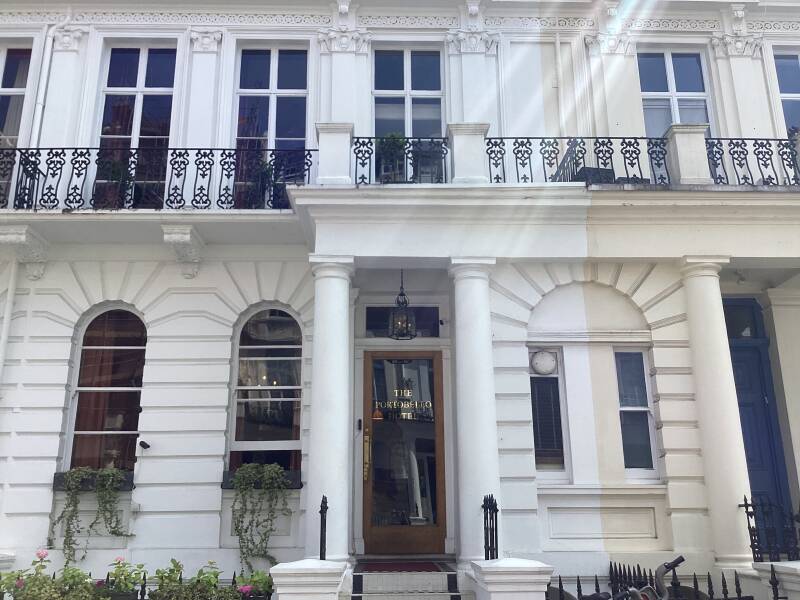
PORTOBELLO HOTEL
N
Now, the long route!
After JIMI HENDRIX’s hotel, the long and uphill route
Ladbroke Grove
Main N-S axis. The summit, Surveyor James Thomson, has oval form, with to crescents, STANLEY and LANSDOWN
ST.JOHN’s Church
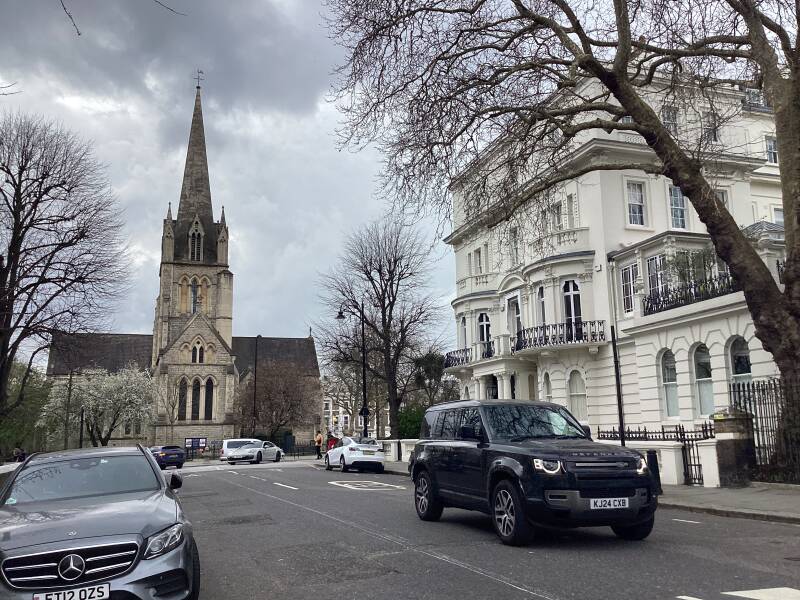
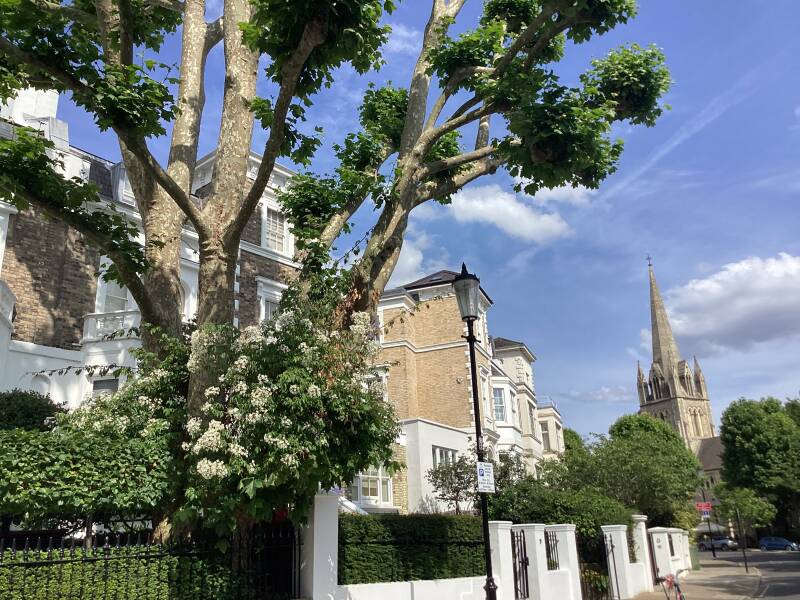
A church was a must in such a ew handsome suburb, as important as drains and lighting. giving respectability. The first ch. built N of BAYSWATER/UXBRIDGE ROAD
Here, as in many other suburbs, MEDIEVAL EARLY ENGLISH Gothic. . Ragstone, contrasting with stucco.
Later on, a CLASSICAL church: ST.PETER’S.
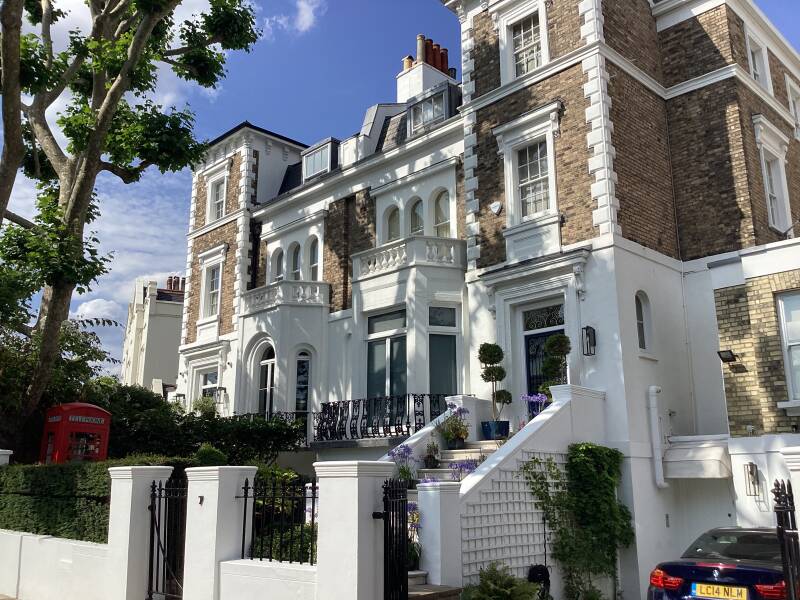
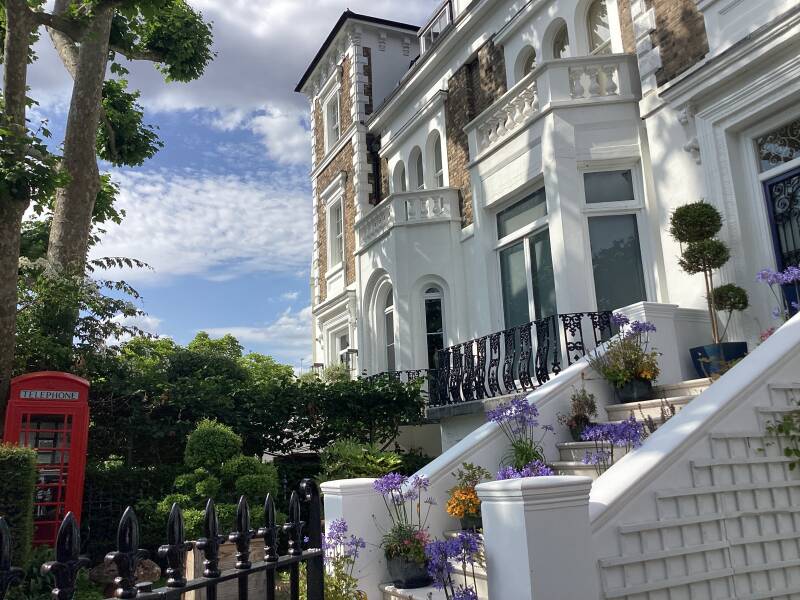
65. 1930s architecture: Modernism
By EDWARD MAXWELL FRY, 1938. A change of style!
46. Site of PUSHKIN CLUB
F. Y Russian emigres and British enthusiasts in 1955.
Readings and lectures, especially poetry from Pushkin’ stiles to the present
Little detour
LADBROKE SQUARE GARDENS
The largest of the 13 communal gardens
It was in the design of the fifteen communal gardens that Allason and Allom showed their greatest inventiveness. For two centuries the London square had faced outwards: terraces of private houses faced their private communal garden across a noisy and sometimes dangerous strip of pavements and roads. Allason and Allom turned the London square inside out, or (to be more precise) outside in. The rows of villas and terraces were designed to back onto communal pleasure grounds separated only by small private gardens. The pleasure grounds were thus more private, safer and more accessible to the residents. The Ladbroke estate remains the best example in the world of a miniature garden city designed on this delightful principle.
Kensington Park Gardens (road)
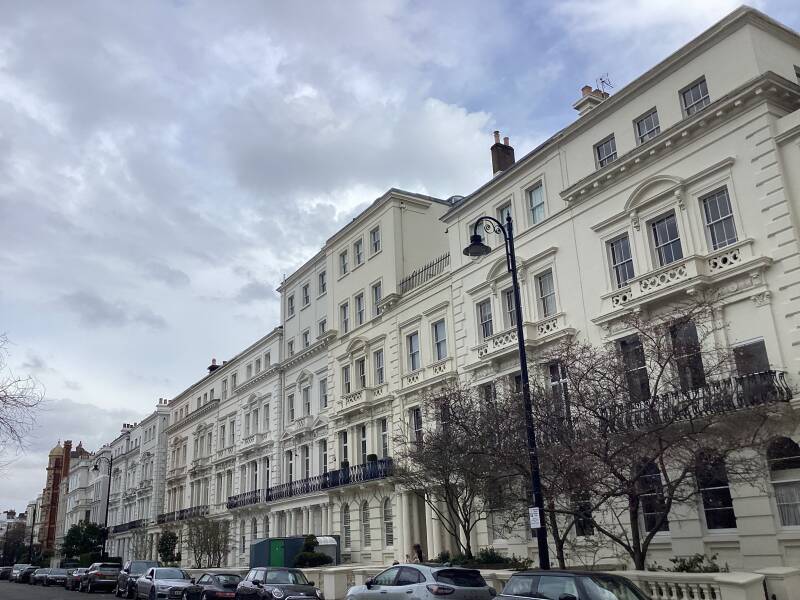
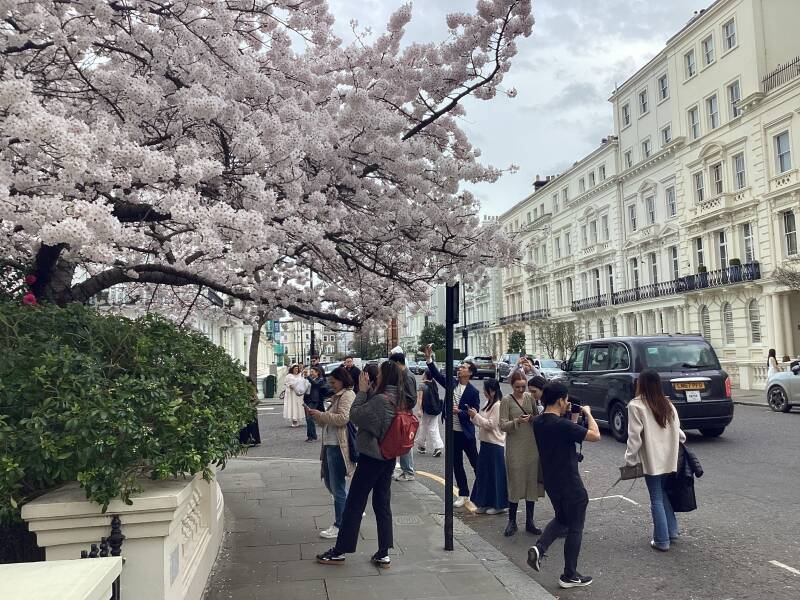
The “real Peter Pan”’s family lived here
Thomas Allom
Architectural war?: red brick vs.white stucco
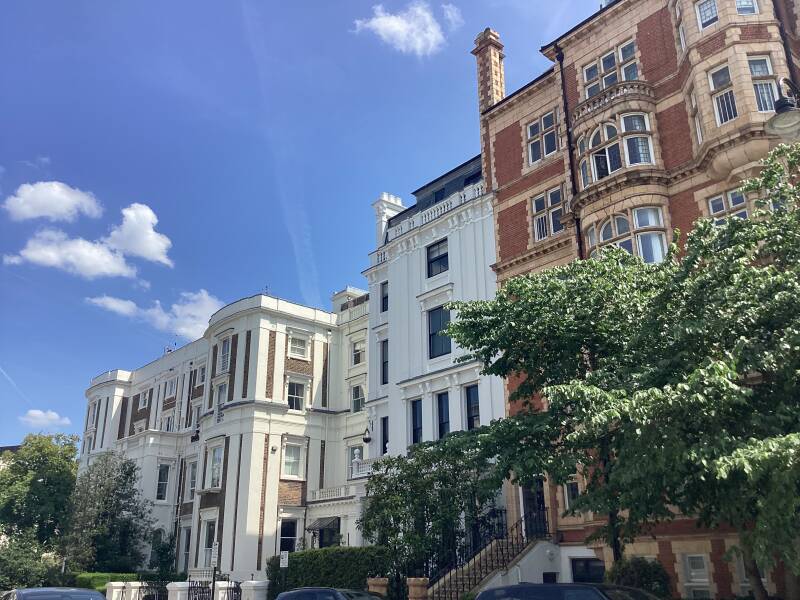
MICHAEL IBRU lived here
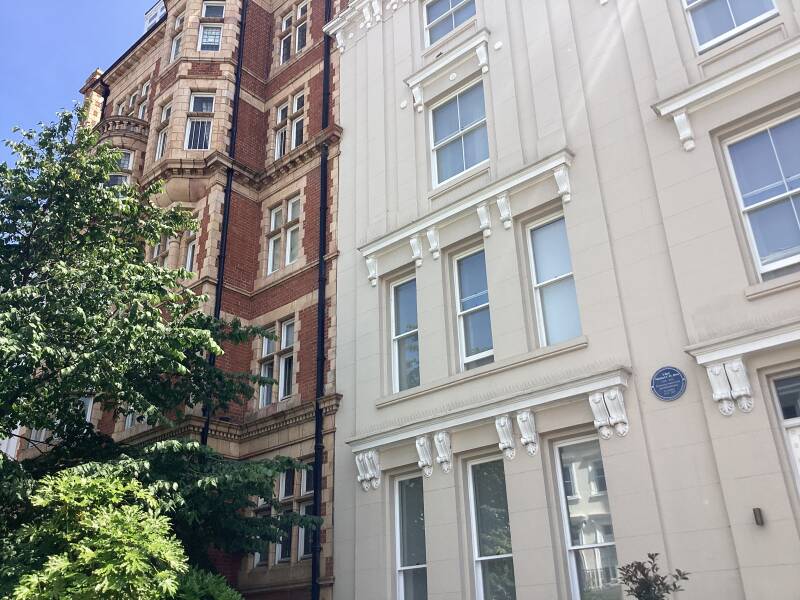
The Ibru family are the ones behind the Ibru Organization which was established in 1956. The organization is one of the largest conglomerates in the country with over 10,000 employees.
The organization has diversified business interests which include shipping, agriculture, aviation, banking as well as oil and gas.

Nubian Jak Community Trust (NJCT) is a commemorative plaque and sculpture scheme founded by Jak Beula that highlights the historic contributions of Black and minority ethnic people in Britain. The first NJCT heritage plaque, honouring Bob Marley, was unveiled in 2006 after "two years of research and behind the scenes negotiating".[1][2] The scheme has been run and managed by the not-for-profit organization Nubian Jak Trust Ltd since August 2016, with a remit to commemorate and celebrate the diverse history of modern Britain. Its objectives include the promotion of social equality and to encourage activities that promote cultural diversity in society.
SIR WILLIAM CROOKES lived here
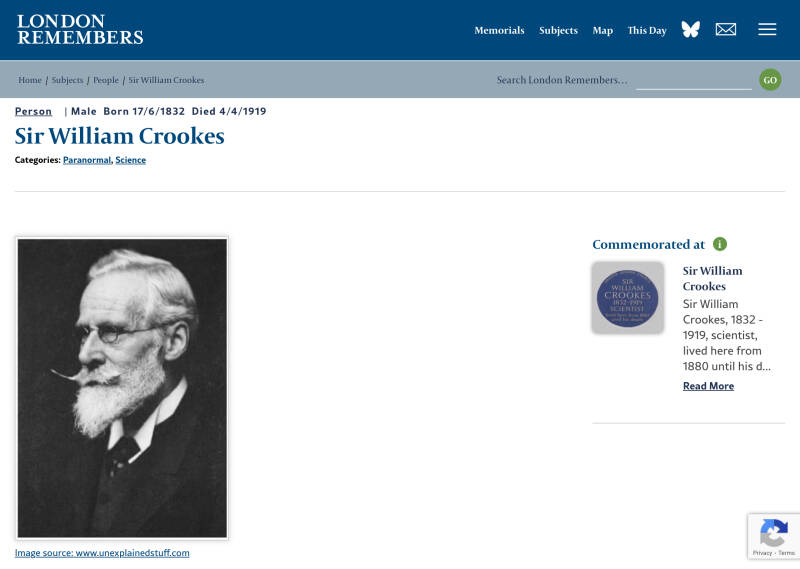
Discoverer of THALLIUM and spiritualist
JANE ROBINSON, economist
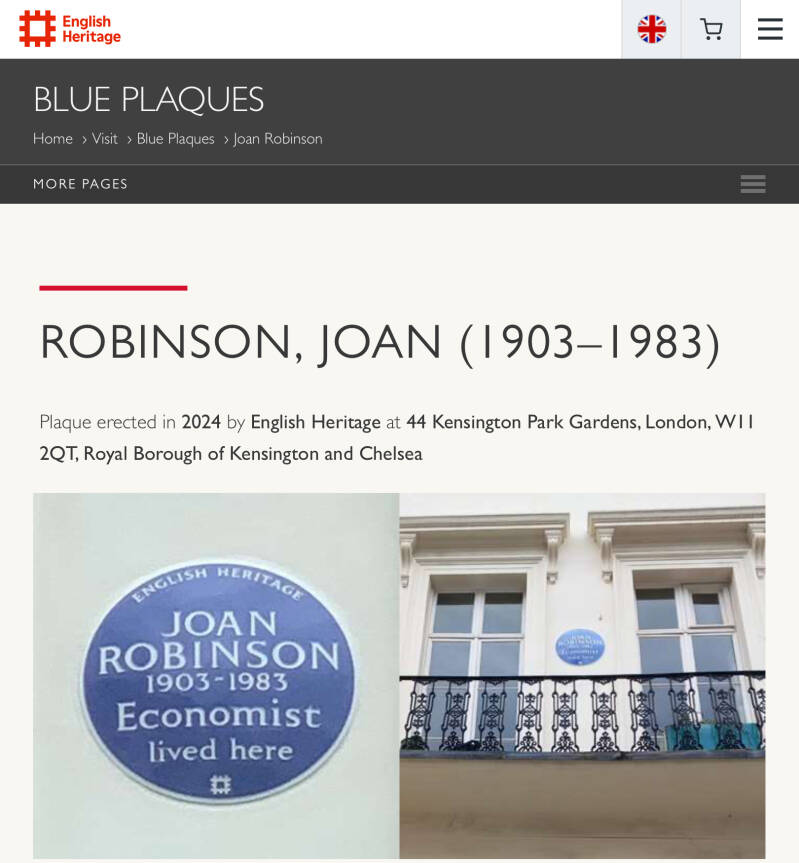
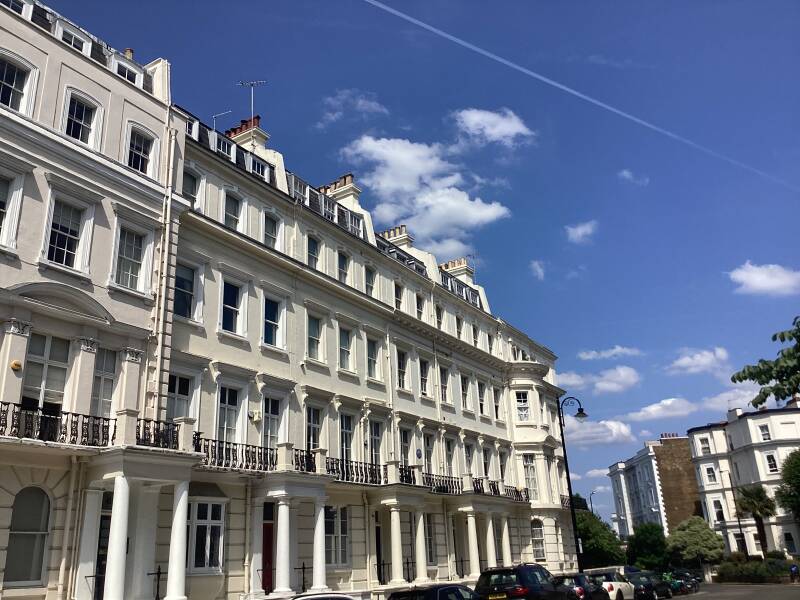
She studied economics at Girton College, Cambridge but was not permitted to formally graduate (as was the case for all women at Cambridge until 1948).
Though without a formal university position, Joan Robinson began publishing articles on economics in the early 1930s. One of her early pieces drew from Austrian economist Gottfried Haberier the comment: ‘The Christian name sounds like a woman’s but the article seems to be much too clever for a woman.’
Stanley Crescent

Stanley Gardens
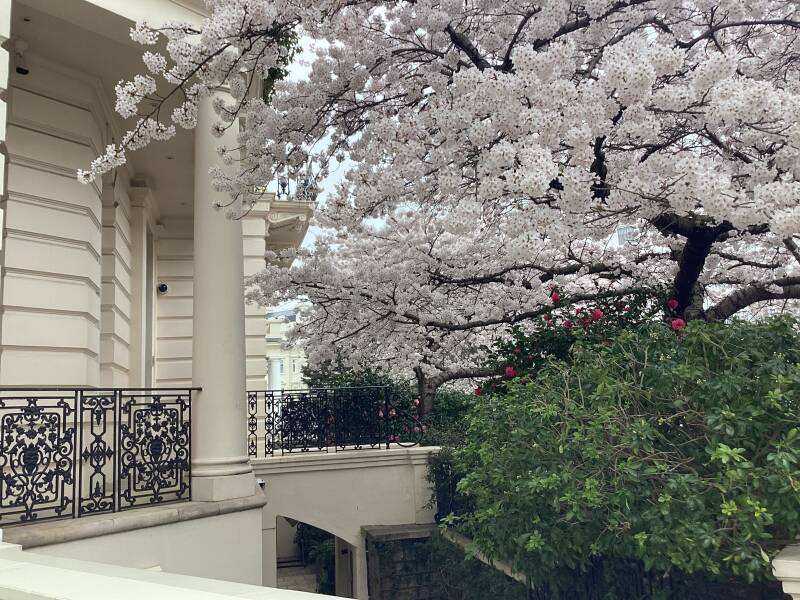
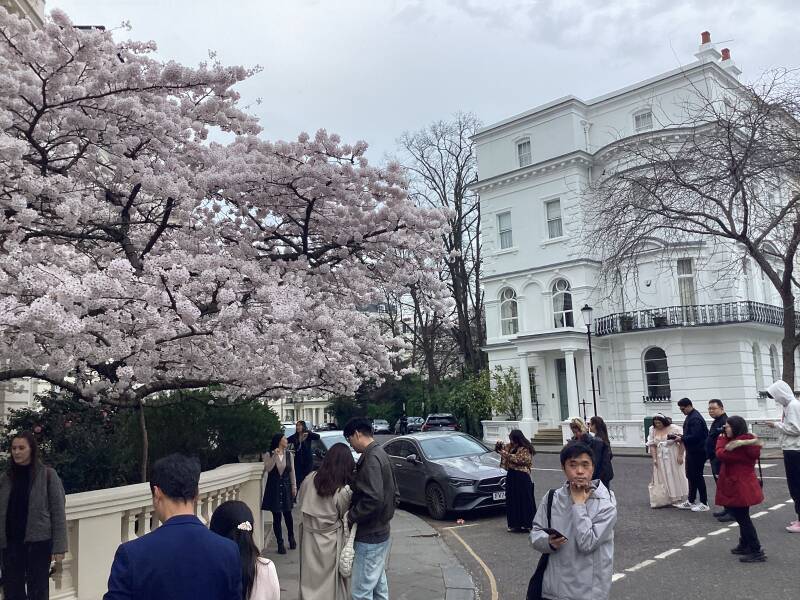
PORTOBELLO HOTEL
ST.PETER’s Church
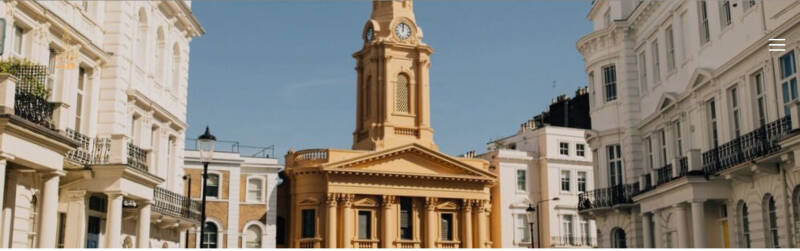
One of the last churches built for the Church of England in the Victorian classical style.
The architect was Thomas Allom who designed Stanley Gardens opposite and it was consecrated on 7th January 1857. The magnificent interior was further embellished in 1879 by Charles Barry Jnr., son of the architect of the Houses of Parliament.
EMBASSY OF UKRAINE
Chepstow Villas
LOUIS (LAJOS) KOSSUTH lived here
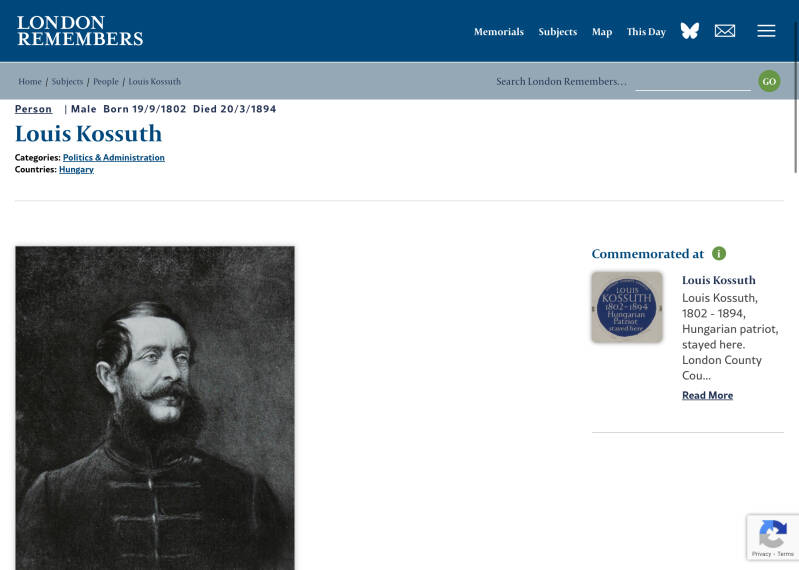
Hungarian lawyer, journalist, politician. Governor-President during the 1848 - 9 revolution. Louis is a westernised version of his first name, Lajos. Spent 3 weeks in England in 1851 on a speaking tour, about Hungarian nationalism and independence. One venue was Copenhagen Fields. Died Italy.


Detour to Portobello Road N & S:
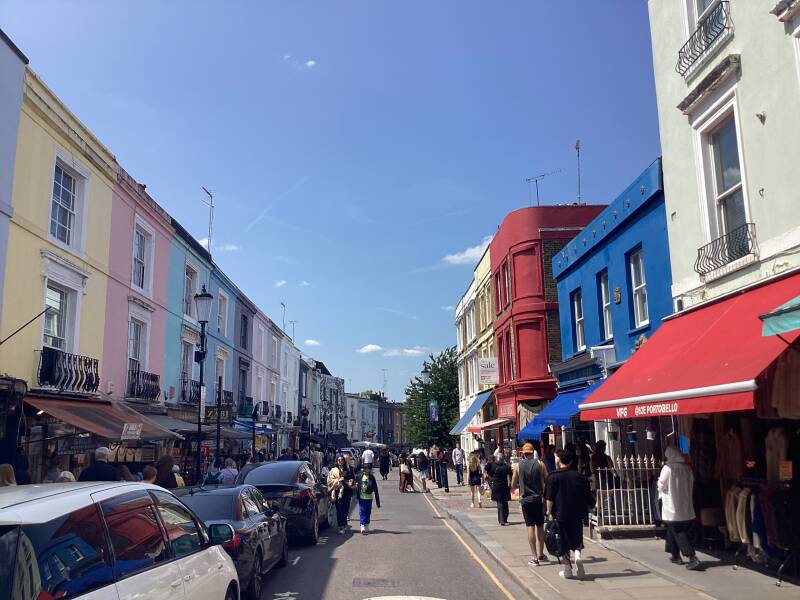
North: from this stretch of your route, up to Westbourne Grove:
Antiques: arcades, shops and market
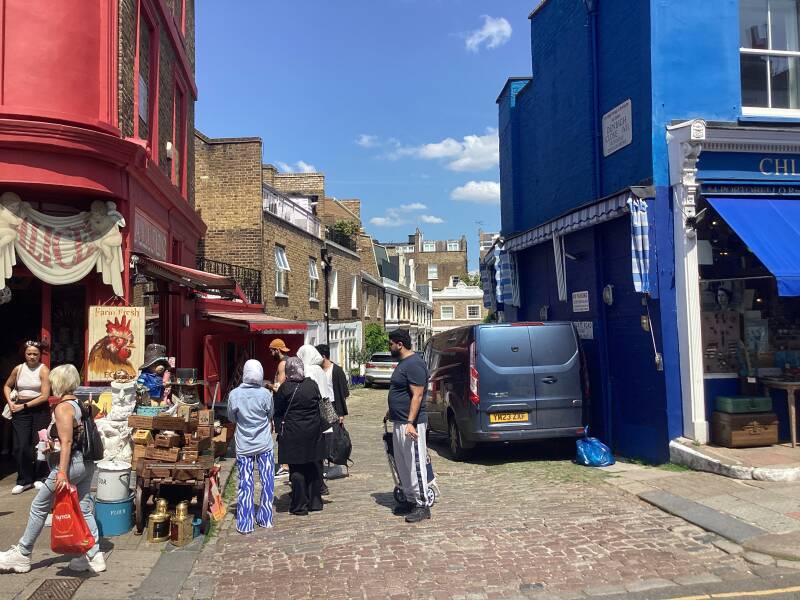
Denbigh Close

GOLD NOTTING HILL, restaurant & bar
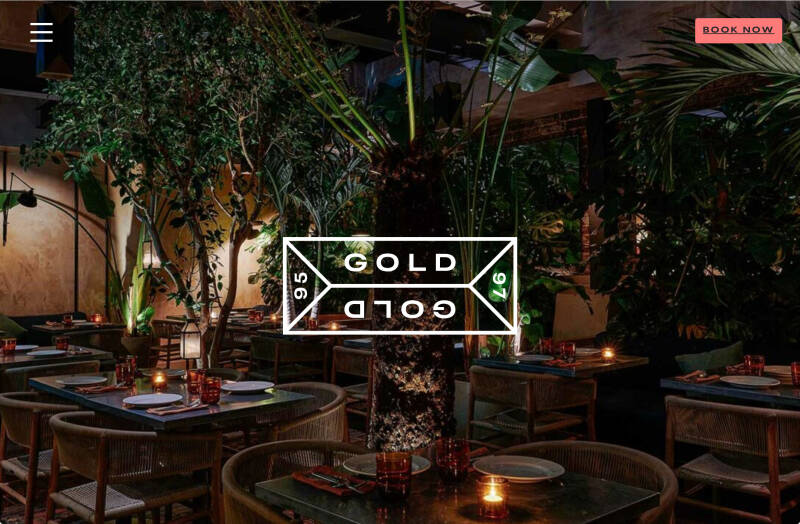
The Portobello Gold, formerly known as the Princess Alexandra, is a pub and restaurant with a rich history on Portobello Road in Notting Hill. Originally a beerhouse, it was built in the 1920s by Truman's Brewery, replacing two terraced houses, and named after Princess Alexandra of Denmark. The pub later became a favorite among the Hell's Angels before being renamed and transformed into a gastropub with hotel rooms. It gained further notoriety when President Bill Clinton visited during a tour of Portobello Market. More recently, it has undergone a luxury makeover and reopened as Gold, a restaurant and late-night bar, with a focus on sharing plates and wood-fired cooking
https://www.ladbrokeassociation.org/pubs/ for the pubs of the whole area
THE EARL OF LONSDALE P.H. (Mobile phones and swearing not allowed)
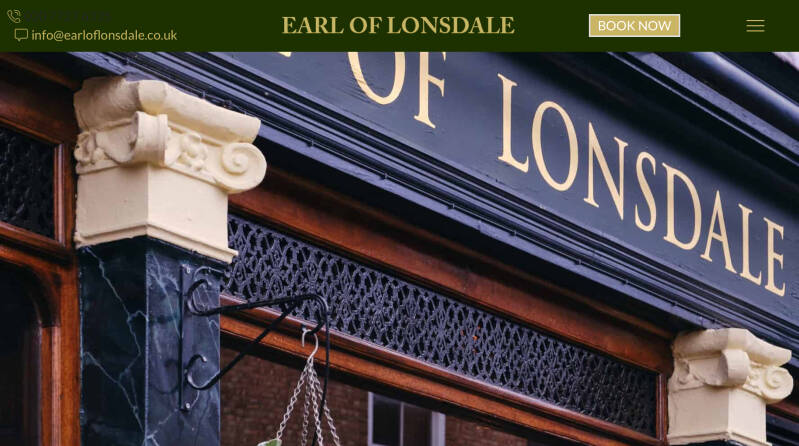
The pub is named after the enormously wealthy fifth Earl of Lonsdale, known as the Yellow Earl because of his liking for that colour. He was a founder of and first President of the Automobile Association which adopted his livery.
The pub features partitioned areas with small doorways, dark wood, and etched glass, creating a "cosy" and "quirky" atmosphere.
Not to be confused with 48 Lonsdale Road!
Detour to Portobello Road, to the South (towards Notting Hill Gate):
ST.PETER’S HALL
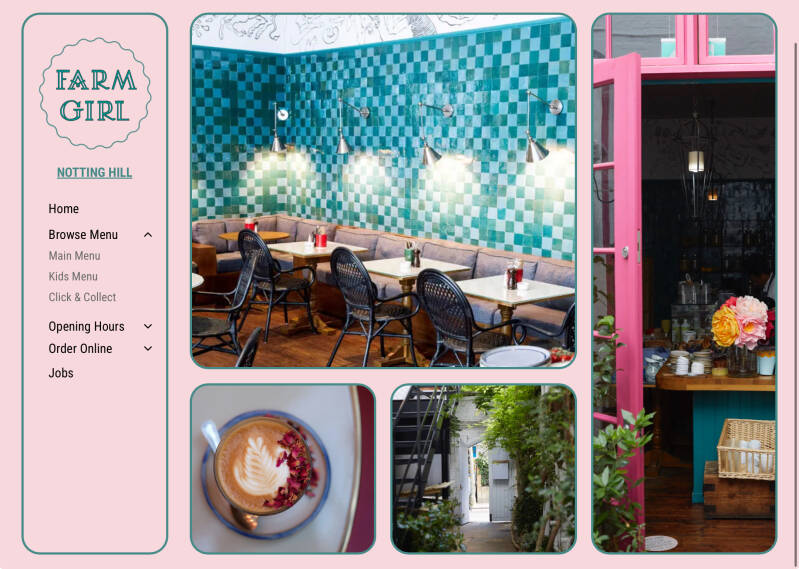
Farm Girl café
GEORGE ORWELL lived here
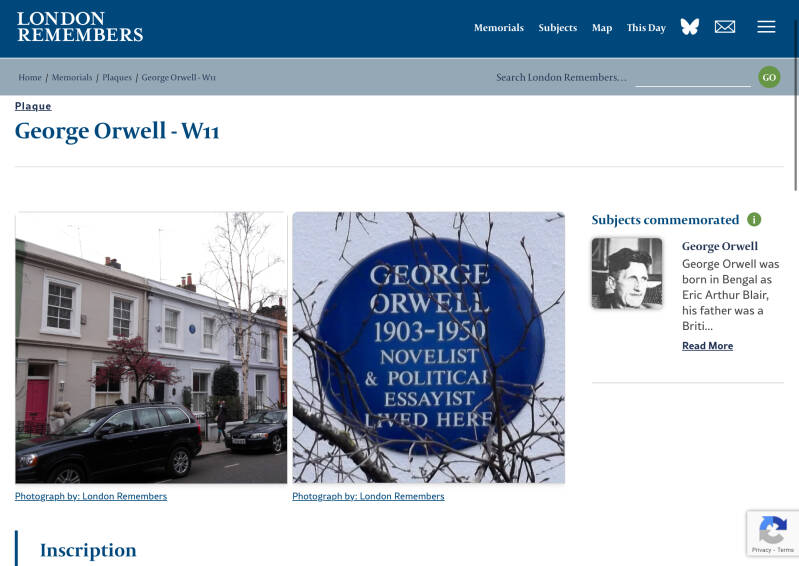
Orwell was in lodgings here for a brief period: from late 1927 to Spring 1928, when he moved to Paris.
End of the detours N & S. Back to Chepstow Villas
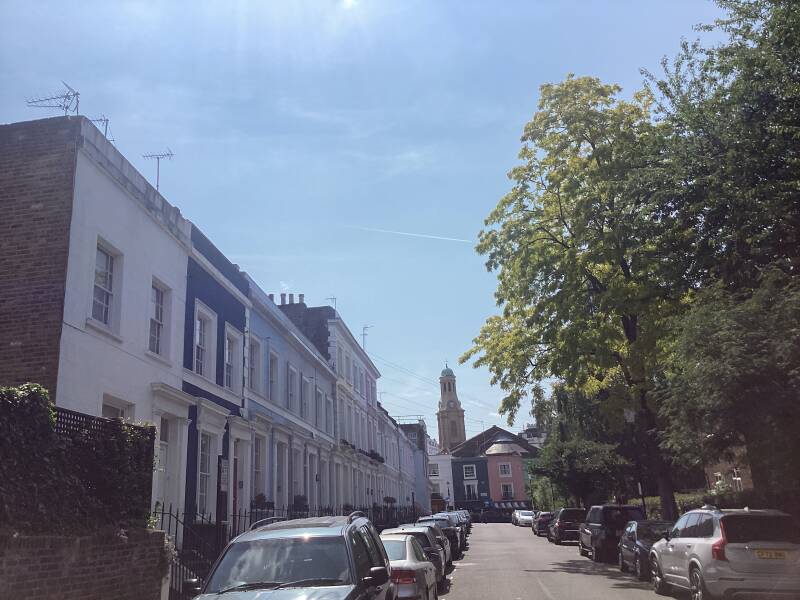
The route follows Chepstow Villas, Denbigh Road and Colville Road
THORNBURY COURT, a Victorian mansion block
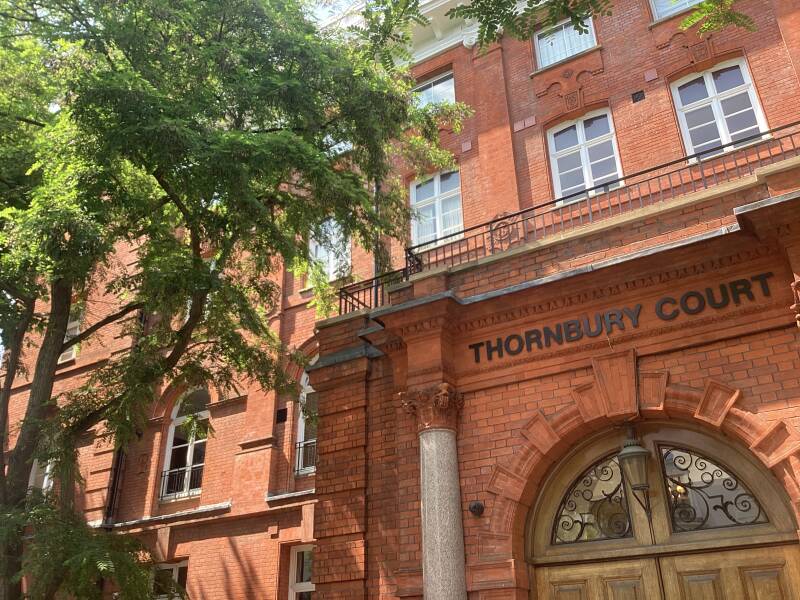
Norman Shaw studio at No 42a, designed for the painter Thomas Sidney Cooper
https://www.ladbrokeassociation.org/chepstow-villas/
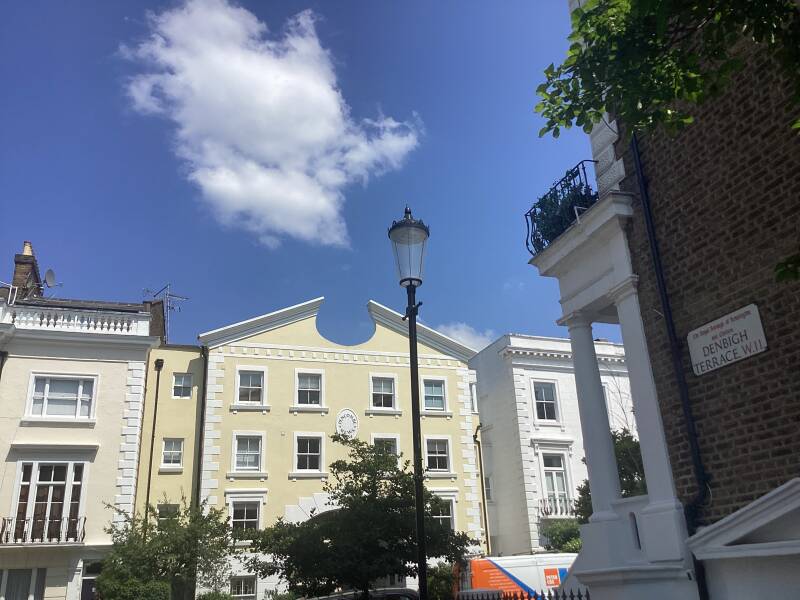
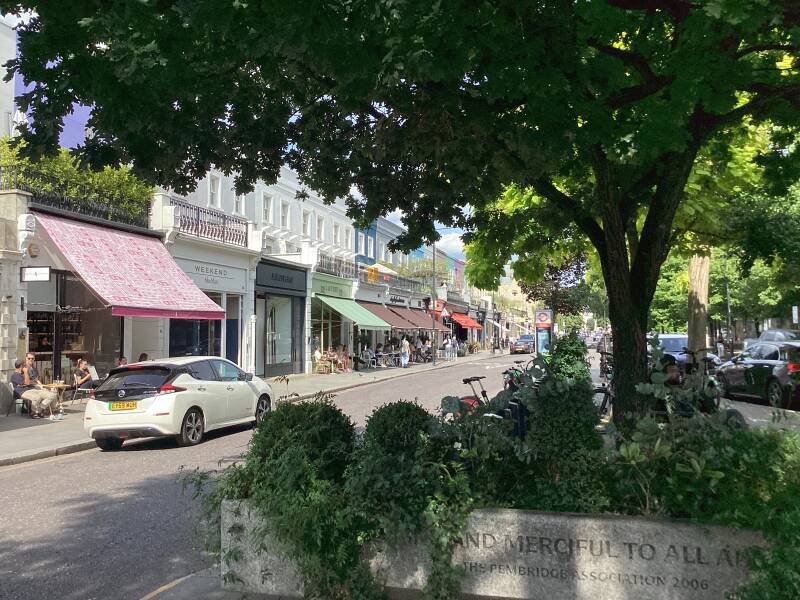
Westbourne Grove
Shops and eateries
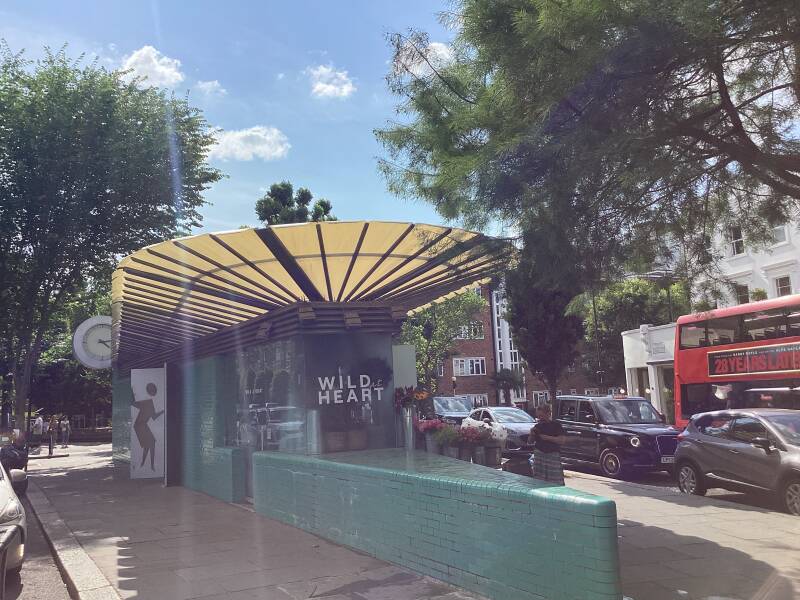
TURQUOISE ISLAND (public toilets and shop)
Discover Bayswater, to the East!
Colville Terrace, Colville Square, Colville Gardens
COLVILLE TERRACE
COLVILLE SQ.
COLVILLE GARDENS
Colville Gardens was initially laid out in the 1870s by the builder George Frederick Tippett, who also developed much of the rest of the neighbourhood. It is possible that the street was named after the Colville Family, Scottish steel magnates. The houses were intended as single family homes for the well-to-do but, from the beginning, it proved difficult to attract wealthy buyers to the area and as early as 1888, the buildings began to be subdivided into flats.[2]
By 1928, the neighbourhood was described as "rapidly becoming poorer" and, by 1935, as a "largely slum area
1950s. the neighbourhood became notorious for the predatory business practices of slum landlord Peter Rachman.
In 1970, it was rebranded as Pinehurst Court in the 1970s and now comprises around 105 one and two bedroom flats, mostly leased to private tenants on long leases of 100 years or more.
Powis Square
MICK JAGGER’s “Performance”
Absolute Beginners
London Free School
https://www.facebook.com/ramblinglondontours/posts/in-1966-26-powis-terrace-in-notting-hill-became-home-to-the-london-free-schoolfo/1216876523634330/

Next chapter:
1950s. Peter Rachman, the slum landlord

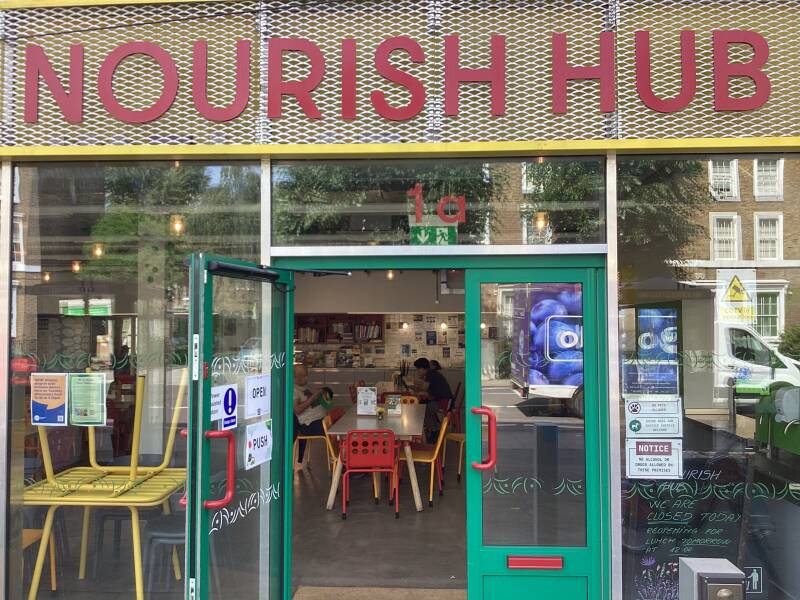
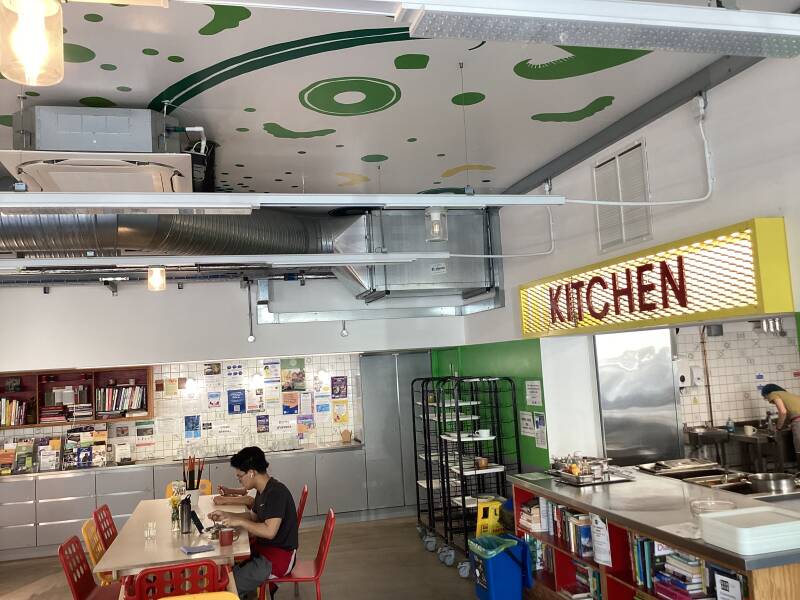

We welcome you to our Nourish Hub, where you will be served delicious wholesome meals and learn about low-cost, nutritious eating choices. Sustainability and healthy eating are at the heart of our work, from ‘rescued’ meals to our in-house growing towers, everything you eat and learn will support you and the environment.
The Nourish Hub is operated by the charity UKHarvest, who are here to protect the environment by rescuing good food destined for landfill and serving the community with education on nutrition, cookery skills and fighting food waste in the home.
As part of the London Good Growth Fund, the Nourish Hub is focused on making better places, empowering people and growing prosperity. Challenging and changing our relationship with food, through experience, education and building close links to the local community.
WILLIAM RAMSEY
Elgin Cr
Kensington Park Rd.
NOTTINH HILL COMMUNITY CHURCH
192. BRIDGET JONES
Site of MUNS THOMPSON literary meetings
Blenheim Crescent
THE TRAVEL BOOKSHOP
The film was shot at 142 PORTOBELLO ROAD
MIKE’S CAFÉ 1962
BOOKS FOR COOKS
9 TOTO BAG CAFÉ
Fight Riots 58
SARAH CHURCHILL
2 SPICE SHOP
Site of MINUS ZERO RECORDS
Psi h
Site of DOG SHOP
Hippie, FRESTONIA Embassy
You will SEE some Portobello Road attractions nearby in NH4
ELECTRIC CINEMA
COFFEE PLANT
SALVATION ARMY
Site of WOOLWORTHS
THE CASTLE PH
BLUE DOOR
My favourite route continues
ROUGH TRADE, ALL SAINTS CHURCH and THE TABERNACLE